
Mortgage Learning Center
Clear, jargon-free guides to help you make confident mortgage decisions. No sign-up required — just the information you need.

What Is a Direct Lender? Everything You Need to Know
A direct lender originates, underwrites, and funds mortgage loans using its own capital. Learn how this model saves you money and speeds up your closing.

Direct Lender vs Mortgage Broker: Which Is Right for You?
Should you go with a direct lender or a mortgage broker? We break down the costs, pros, cons, and scenarios where each option makes the most sense.

First-Time Home Buyer Guide: Steps to Your First Mortgage
Buying your first home is exciting and complex. This step-by-step guide walks you through everything from saving for a down payment to getting the keys.

How to Get Pre-Approved for a Mortgage in 2026
Mortgage pre-approval is your first step to buying a home. Learn exactly what you need, how the process works, and how to get pre-approved quickly.

FHA Loans Explained: Requirements, Benefits, and How to Apply
FHA loans offer low down payments and flexible credit. Learn the requirements, costs, and process for getting an FHA loan from a direct lender.

VA Home Loans: The Complete Guide for Veterans
VA loans offer zero down payment and no PMI for veterans, active military, and surviving spouses. This guide covers everything you need to know.

How Much House Can I Afford? A Complete Affordability Guide
Figuring out how much home you can afford is the first step in the buying process. This guide breaks down the formulas, rules of thumb, and factors that determine your budget.

Understanding Mortgage Rates: What Affects Your Rate
Mortgage rates vary by borrower and change daily. Learn the economic and personal factors that determine your rate and how to get the best deal.

Refinancing Your Mortgage: When It Makes Sense
Refinancing can save you money, shorten your term, or unlock equity. Learn when it makes financial sense and how the process works.
Self-Employed Mortgage: How to Qualify Without W-2s
Getting a mortgage without W-2 income requires a different approach. This guide explains bank statement loans, documentation options, and tips for self-employed borrowers.

USDA Loans: The Complete Guide to Zero-Down Rural Home Financing
USDA loans offer zero down payment financing for eligible rural and suburban homebuyers. This complete guide covers eligibility requirements, income limits, property maps, guarantee fees, and how to apply.

Home Equity Loan vs. HELOC: Which Is Right for You?
Home equity loans and HELOCs both let you borrow against your home's value, but they work very differently. This guide compares rates, terms, flexibility, and ideal use cases for each option.

Down Payment Assistance Programs: How to Get Help Buying a Home in 2026
Down payment assistance programs provide grants, forgivable loans, and other help to make homeownership more accessible. Learn what programs exist, who qualifies, and how to apply.

Closing Costs Explained: What You Will Pay and How to Save
Closing costs add 2 to 5 percent to the price of buying a home. This guide breaks down every fee, explains what is negotiable, and shows you how to reduce your out-of-pocket costs.

Debt-to-Income Ratio: What It Is and Why It Matters for Your Mortgage
Your debt-to-income ratio is one of the most important factors in mortgage approval. Learn how to calculate it, what limits apply by loan type, and strategies to improve your DTI.

Jumbo Loans Explained: Financing Above Conforming Loan Limits
Jumbo loans finance homes that exceed conforming loan limits. Learn about 2026 limits, qualification requirements, rate comparisons, and strategies for securing jumbo financing.

ARM vs. Fixed-Rate Mortgage: How to Choose the Right One
Choosing between an ARM and a fixed-rate mortgage depends on how long you plan to stay, your risk tolerance, and current rate conditions. This guide helps you make the right call.
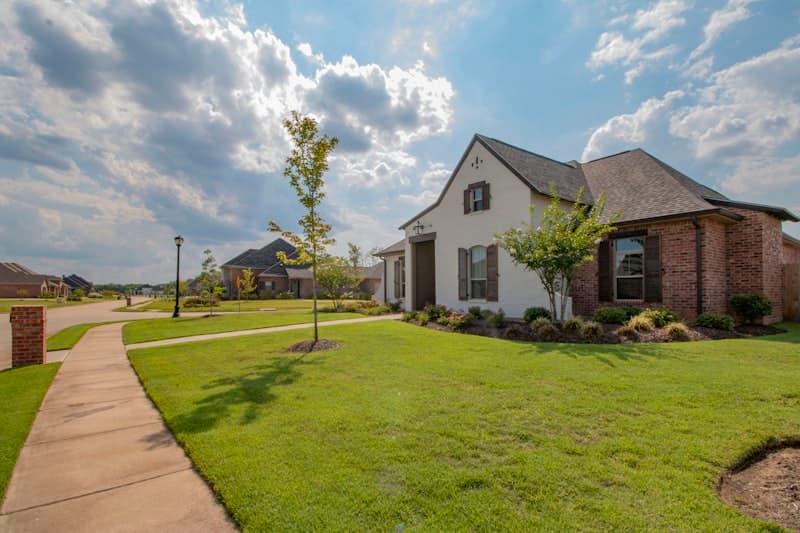
Reverse Mortgage: How It Works, Requirements, and Pros and Cons
A reverse mortgage lets homeowners 62 and older convert home equity into cash without monthly mortgage payments. This guide covers how it works, costs, and important considerations.

Mortgage Insurance (PMI) Explained: What It Costs and How to Remove It
Mortgage insurance protects the lender when you put less than 20 percent down. Learn what PMI costs, how FHA and VA handle mortgage insurance differently, and strategies to remove it.
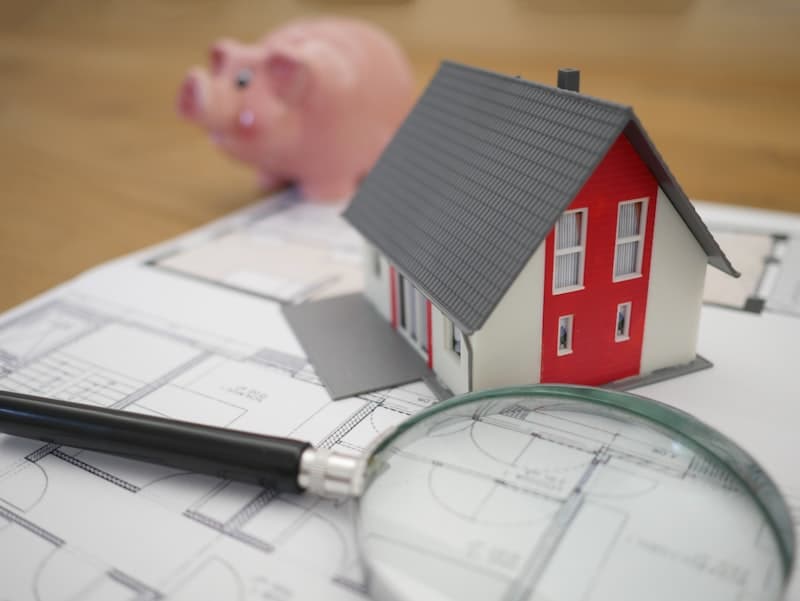
Cash-Out Refinance: How It Works, Requirements, and When It Makes Sense
A cash-out refinance replaces your mortgage with a larger loan and gives you the difference in cash. Learn requirements, LTV limits, costs, and how to decide if it is right for you.
What Credit Score Do You Need for a Mortgage?
The minimum credit score for a mortgage depends on the loan type: 620 for conventional, 580 for FHA with 3.5% down, and no minimum for VA loans. Learn what score you really need to get the best rates.
How to Buy a Home With No Down Payment
You can buy a home with no down payment through VA loans, USDA loans, or down payment assistance programs. Learn who qualifies and how each zero-down option works.
Complete Mortgage Application Checklist
A complete mortgage application requires income documents (pay stubs, W-2s, tax returns), asset statements, identification, and property information. Use this checklist to prepare everything before you apply.
How Long Does It Take to Close on a House?
Closing on a house takes an average of 44 days for purchase loans and 35 days for refinances. Learn what happens during each phase and how to avoid common delays that push closings back.
Rent vs Buy: When Does Buying Make Sense?
Buying a home makes financial sense when you plan to stay at least 5 to 7 years, your total housing cost is comparable to renting, and you have stable income and savings. Here is how to run the numbers.
What Are Mortgage Points and Should You Buy Them?
Mortgage points are upfront fees paid at closing. One discount point costs 1% of your loan amount and typically lowers your rate by 0.25%. Learn when buying points saves money and when it does not.
Home Appraisal: What It Is, What to Expect, and How to Prepare
A home appraisal is a professional assessment of a property's market value required by mortgage lenders. Learn what appraisers look for, how to prepare, and what to do if the value comes in low.
Conventional vs FHA Loan: Which Is Right for You?
Conventional loans require a 620 credit score and 3% down payment with cancelable PMI, while FHA loans accept scores as low as 580 with 3.5% down but charge mortgage insurance for the life of the loan. Here is how to choose.
How to Improve Your Credit Score Fast Before Applying for a Mortgage
You can improve your credit score by 20 to 100 points within 30 to 90 days by paying down credit card balances, disputing errors, and using strategic credit management techniques. Here is a step-by-step plan.
Mortgage Rate Forecast: Where Are Rates Headed?
Mortgage rates are influenced by the Federal Reserve, inflation, bond markets, and economic conditions. See where economists predict rates are headed in 2026 and how to time your mortgage decision.